
Click here for financing options available: Financing Options
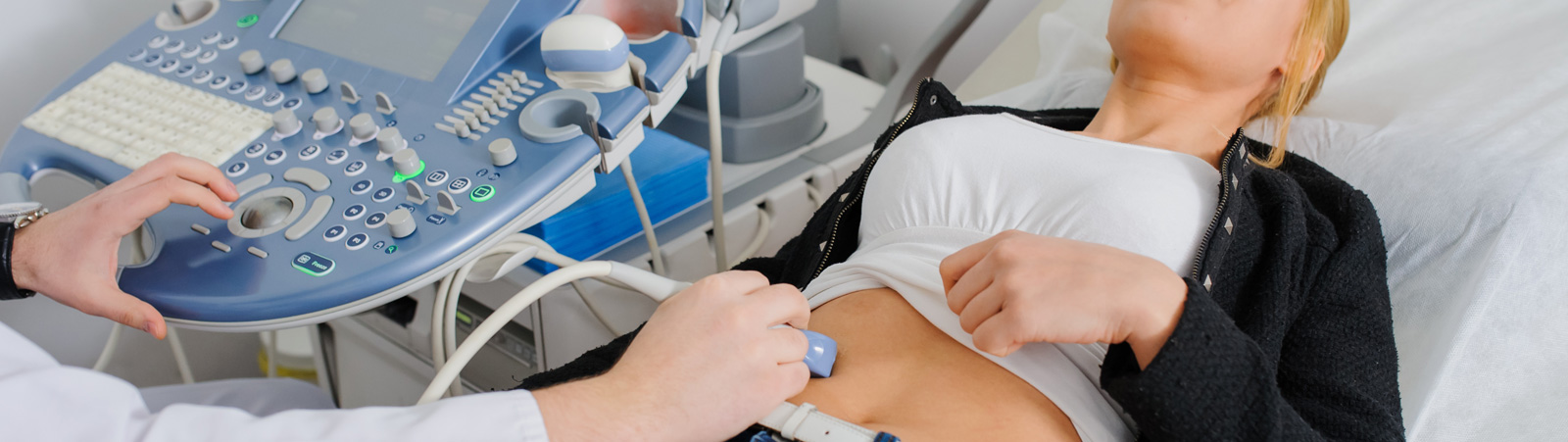
Doctor makes the patient women abdominal ultrasound

Ultrasound (EUS)

An endoscopic ultrasound, also known as EUS, is a type of procedure used to assess digestive and lung health. It is a minimally invasive procedure that’s often used to determine if there are gastro or lung diseases present. Your Brooklyn endoscopic ultrasound doctor will provide you with more information on what specifically is being looked for on this test when you visit our office in either Ocean Parkway or Cobble Hill in Brooklyn, NY.

What Happens with an Endoscopic Ultrasound?

The procedure uses high-frequency sound waves to produce images of the walls and lining of your digestive tract, liver, lymph nodes, pancreas or the chest. These images allow the doctor to determine if any abnormalities exist. The ultrasound may also include aspiration, the process of removing a very small amount of tissue or fluid in your chest and abdomen. This fluid and tissue biopsy can be used to further investigate the matter. It is far less invasive than other forms of exploratory surgery.

Why Do You Need an Endoscopic Ultrasound?

An endoscopic ultrasound can help your Brooklyn gastro or lung doctor determine what the underlying cause of your symptoms is. Your doctor may recommend this procedure if you have symptoms related to chest pain, abdominal pain, digestive tract inflammation, or lung-related concerns not otherwise understood. The EUS will help doctors to look for symptoms or indications of the following types of diseases:

  • Cancer of the lungs, stomach, pancreas, esophagus, colon, or ampullary and rectal cancers
  • Bile duct stones
  • Lymphoma
  • Neuroendocrine tumors
  • Pancreatic cysts or pancreatitis
  • Sarcoidosis
  • Rectal fistulas or incontinence

How Will an Endoscopic Ultrasound Help You?

As a diagnostic tool, an EUS is one of the best tools for doctors to see what’s happening within your digestive system. Additionally, these procedures often include fine-needle aspirations, which allow your doctor to remove some tissue or fluid for further investigation. Your doctor can use this information in several ways:

  • EUS can determine the depth of a tumor within an abdominal wall in most types of cancers
  • Determine if cancer has metastasized or spread to the lymph nodes
  • Determine the stage of cancer present
  • Determine the proper target for medications delivered specifically and directly to the liver, pancreas or other organs
  • Determine what abnormal images on imaging tests are, such as to further investigate a cyst

How Is an Endoscopic Ultrasound Performed?

This procedure is most often an outpatient procedure. You’ll be given medication to help you relax. The doctor will then pass a thin, flexible tube into your mouth and down your throat into the digestive tract. This tube, which is the endoscope, will then produce sound waves. This helps to create a very detailed and precise picture of the tissues within the area including the lymph nodes. After the information is obtained, the endoscope is removed. A second, curved device can also be inserted which contains a very thin needle for aspirations.

How Can You Get Help?

If you have a condition that needs further investigation, an EUS can be a good option. Your endoscopic ultrasound doctor in Brooklyn can help you to learn what is really happening with this minimally invasive procedure.

Frequently Asked Questions About Ultrasound (EUS)

How do you prepare for an endoscopic ultrasound (EUS)?

Preparation depends on the area being examined. For upper EUS, you will be asked not to eat or drink for several hours before the procedure. Preparation for lower EUS is similar to that of a colonoscopy. You’ll need to clean out the large intestine completely, so you’ll probably need to take some enemas and laxatives. Your doctor will also review your current medications and advise you on whether to pause certain ones, such as blood thinners. Whether it’s lower or upper EUS, our team will provide clear instructions to ensure accurate results and a smooth experience.

Is the procedure painful?

No. Endoscopic ultrasound is not painful. We’ll administer sedation to keep you relaxed and comfortable throughout the procedure. Most patients do not remember the test afterward. You may feel mild throat soreness or bloating afterward, but this usually resolves quickly.

What conditions can an EUS help diagnose?

Your GI doctor in Brooklyn uses EUS to evaluate conditions affecting the digestive tract and nearby organs. It can help diagnose pancreatic disorders, gallbladder issues, bile duct problems, gastrointestinal tumors, colorectal disorders, cysts, and lymph node abnormalities. It is also helpful in staging certain cancers and guiding biopsies with high precision.

How long does it take to get results from an EUS?

Initial findings are often discussed shortly after the procedure. If tissue samples (biopsies) are taken, lab results may take several days to a few weeks. Your gastroenterologist will review the findings with you and explain the next steps, if needed.

Does an endoscopic ultrasound (EUS) use radiation?

No. EUS does not use radiation. It relies on high-frequency sound waves to create detailed images. This makes it a safe option for evaluating internal structures without radiation exposure.

What should I expect after an endoscopic ultrasound?

After the procedure, you will rest briefly while the sedation wears off. You may feel drowsy for the remainder of the day, so you will need someone to drive you home. Mild throat discomfort is normal after an upper EUS, while lower EUS may cause bloating. Both side effects are mild and short-lived. Most patients return to normal activities the following day unless instructed otherwise.

Are there any risks or side effects associated with EUS?

EUS is very safe when performed by trained personnel. Minor side effects may include sore throat, gas, or mild discomfort. While we take every precaution, rare risks include bleeding or infection, especially if a biopsy is performed. We will review all potential risks before the procedure to ensure you are well-informed.

How much is an endoscopic ultrasound in Brooklyn, NY?

The cost of an EUS is about $1,700, though it varies based on factors such as whether a biopsy is needed and the complexity of the procedure. At our office, we discuss costs before any treatment/procedure to ensure you proceed with clarity. Our team will also discuss how financing and insurance can make your treatment affordable.

Does insurance cover the cost of endoscopic ultrasound?

In many cases, insurance does cover EUS when it is deemed medically necessary. However, coverage varies by plan, so it is vital to verify benefits in advance. Our office staff can help you understand the scope of your insurance plan and explain any out-of-pocket costs.

Who offers endoscopic ultrasound in Brooklyn, NY, and Coral Springs, FL?

Atlantic Gastroenterology has invested in the latest technology to provide patients with precise, efficient, and comfortable gastroenterology care. Ready for endoscopic ultrasound? Call 718 521-2840 and schedule your appointment today. We are proud to have a dedicated team of experienced GI providers who place your health at every step of care. 

Call Atlantic Gastroenterology

New patients: 718 521-2840 Existing patients: 718 615-4001 EndoSlim Clinic: 1-877-SIZEOFF (1-877-749-3633)